How do your earliest peer relationships continue to shape every connection you make as an adult? The answer lies in understanding siblinghood.
Your Sibling Blueprint:
The Competitor
You learned that standing out, achieving, and being "first" was how you secured love, attention, and belonging. Whether competing with siblings for parental attention or striving to be the best in your peer group, you developed a strong drive to excel and be recognized.
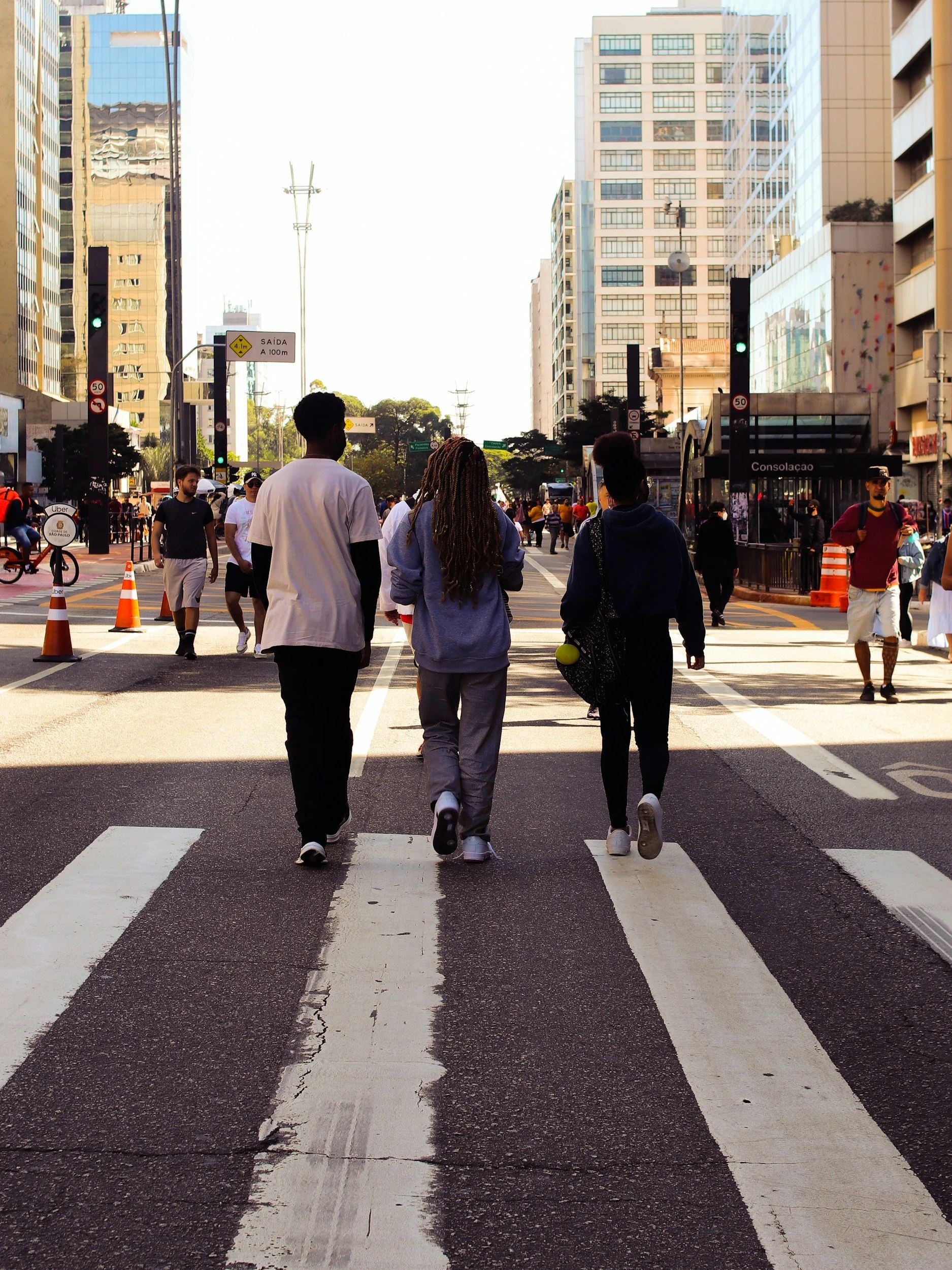
How This Shows Up
You're drawn to ambitious friends and partners
You sometimes feel threatened by others' success
You bring intensity and high standards to relationships
You may struggle with feeling "enough" without achievement
You can turn non-competitive situations into competitions
You tend to seek validation through accomplishments
You may have difficulty trusting others' intentions
You often set high expectations for yourself and others
Your horizontal relationship pattern
You approach relationships with the same energy that helped you succeed as a child, but peer relationships require collaboration, not just competition. You may unconsciously compete even with people you love.
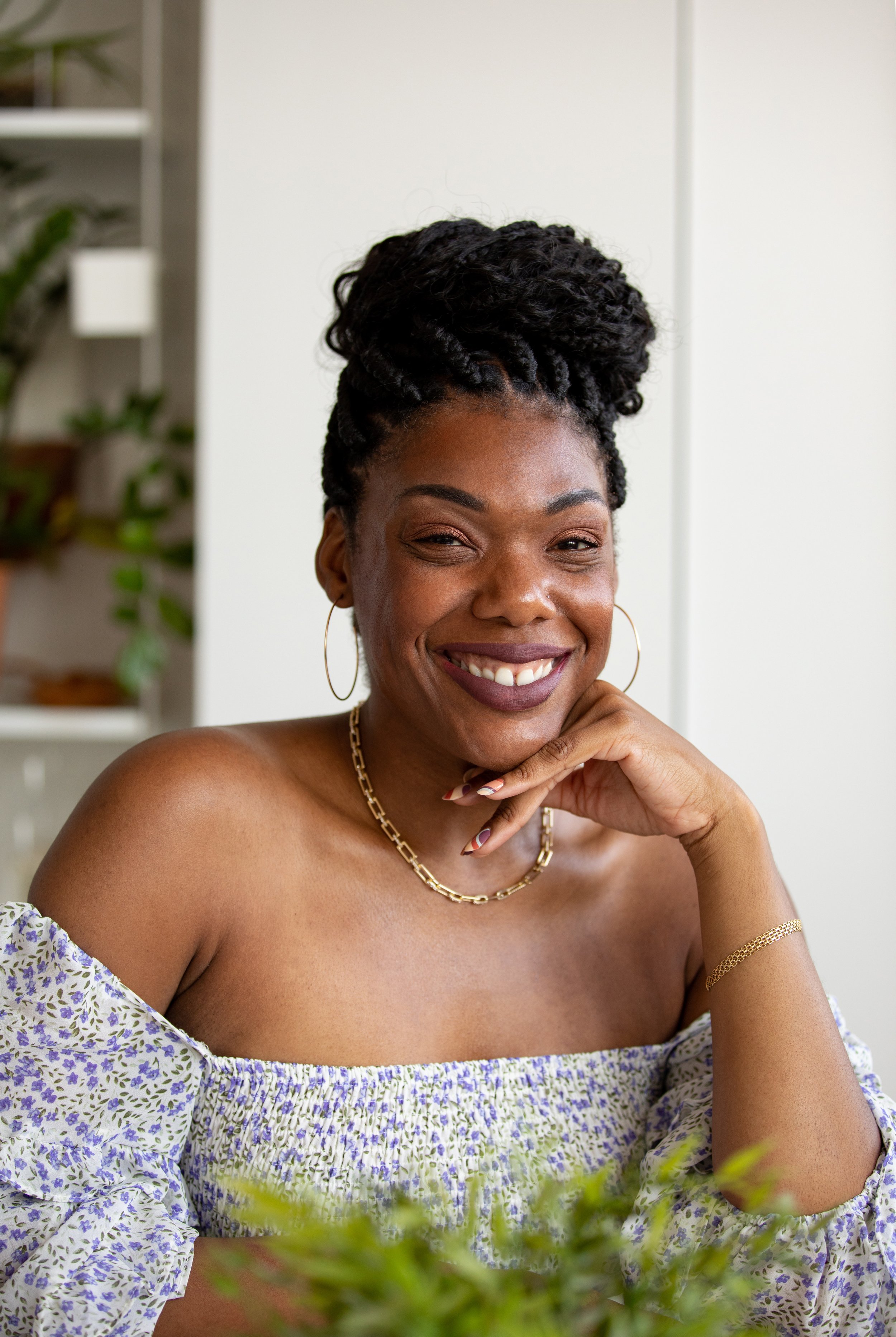
Hi! I’m Minaa B.
I’m a licensed therapist, author of "Owning Our Struggles," and creator of The Siblinghood Theory. As the youngest of 13 in a blended family system, I bring both professional expertise and lived experience to understanding the profound impact of sibling relationships on adult connections.
Whether you have biological siblings or are an only child who had to choose your siblings, I believe sibling relationships are reflected in all types of connections we form—be it platonic, romantic, or even in workplace dynamics. I developed this quiz to help guide you and gain a better understanding of yourself. The Siblinghood Theory is simply a new way to describe adult relationships.
Grab Your Worksheet
Understand that relationships aren't a competition, find value beyond your accomplishments, and learn to appreciate others without feeling less than.
Disclaimer: This information does not constitute a diagnosis. It serves as a resource for your relationships. If you have concerns about your mental health and the stability of your relationships, consider consulting a mental health professional in your area.
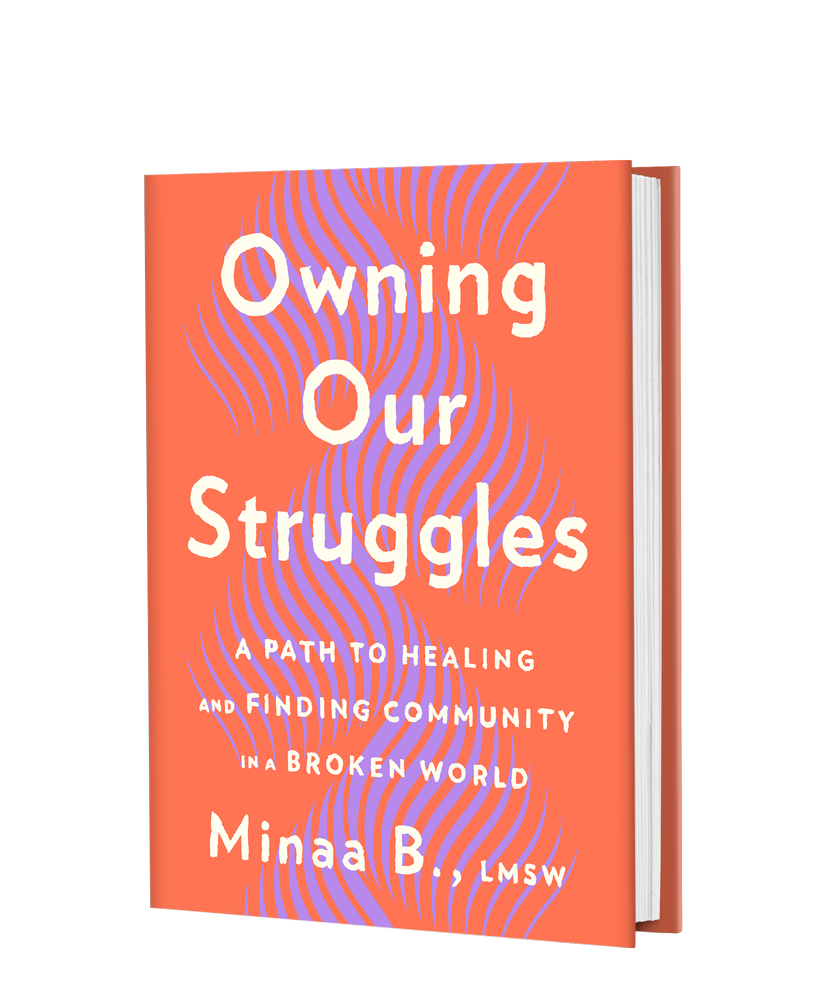
Owning Our Struggles: A Path to Healing and Finding Community in a Broken World
Adversity comes in many forms and can make us feel alone in our pain, even years after the fact. But as wellness coach and licensed therapist Minaa B. observes, we can’t heal in isolation. The best way to move past individual trauma is through connection and community—healing ourselves and one another.