How do your earliest peer relationships continue to shape every connection you make as an adult? The answer lies in understanding siblinghood.
Your Sibling Blueprint:
The Caretaker
You learned early that your value came from taking care of others and keeping everyone happy. Whether as an older sibling, the responsible one in your friend group, or someone who naturally stepped into nurturing roles, you developed exceptional skills at reading others' needs and putting them first.
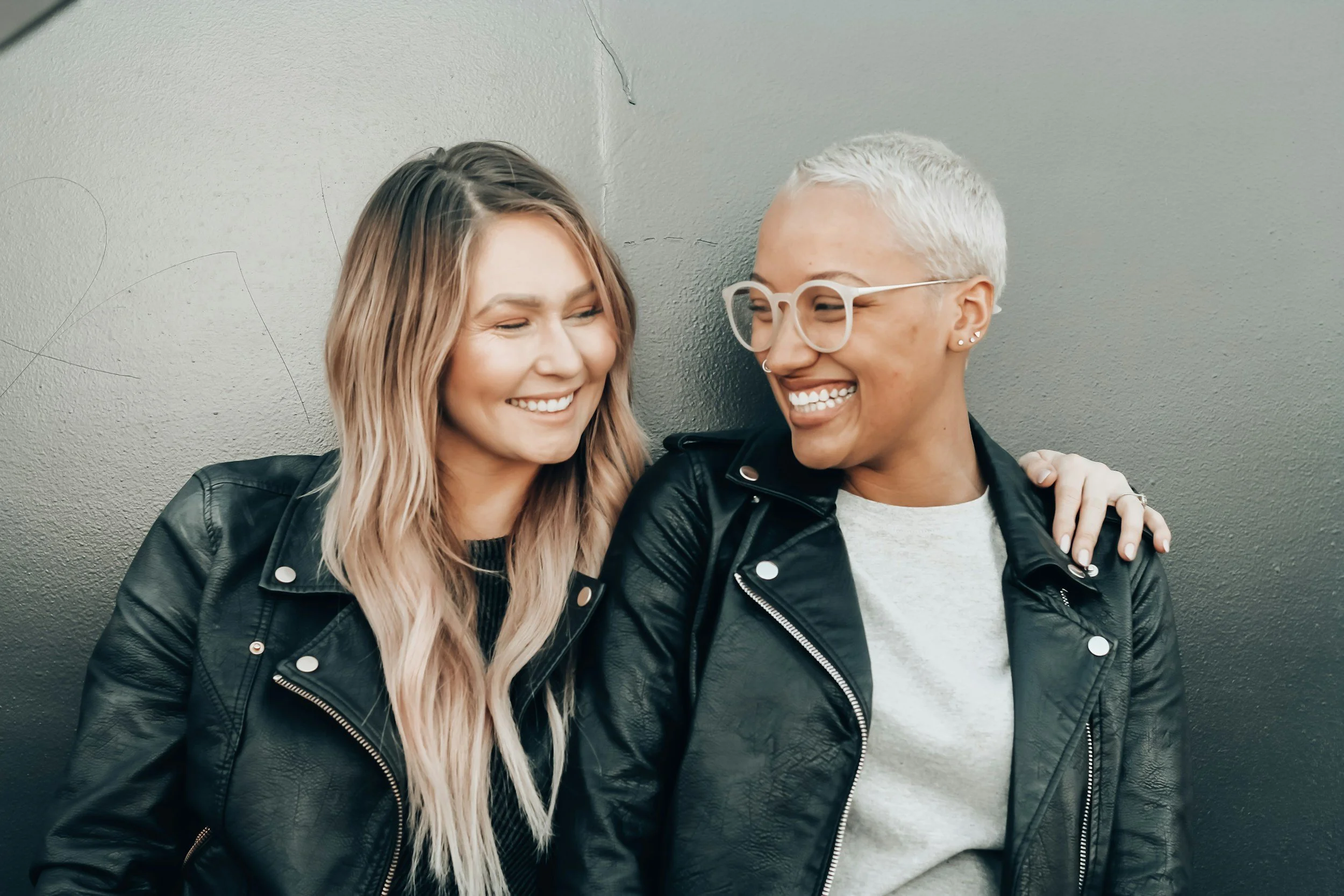
How This Shows Up
You're the friend everyone calls in a crisis
•You struggle to ask for help or express your own needs
•You feel responsible for others' emotions and well-being
•You may cling to people who need "fixing" or constant support
•You sometimes feel resentful when your giving isn't reciprocated
•You find it hard to set boundaries, often saying yes when you'd prefer to say no
•You tend to prioritize others' needs over your own, neglecting self-care
•You experience burnout or exhaustion from constant giving
Your horizontal relationship pattern
You've mastered the art of upward care but may struggle with receiving care from peers. You learned that love equals service, which can create imbalanced relationships where you give more than you receive.
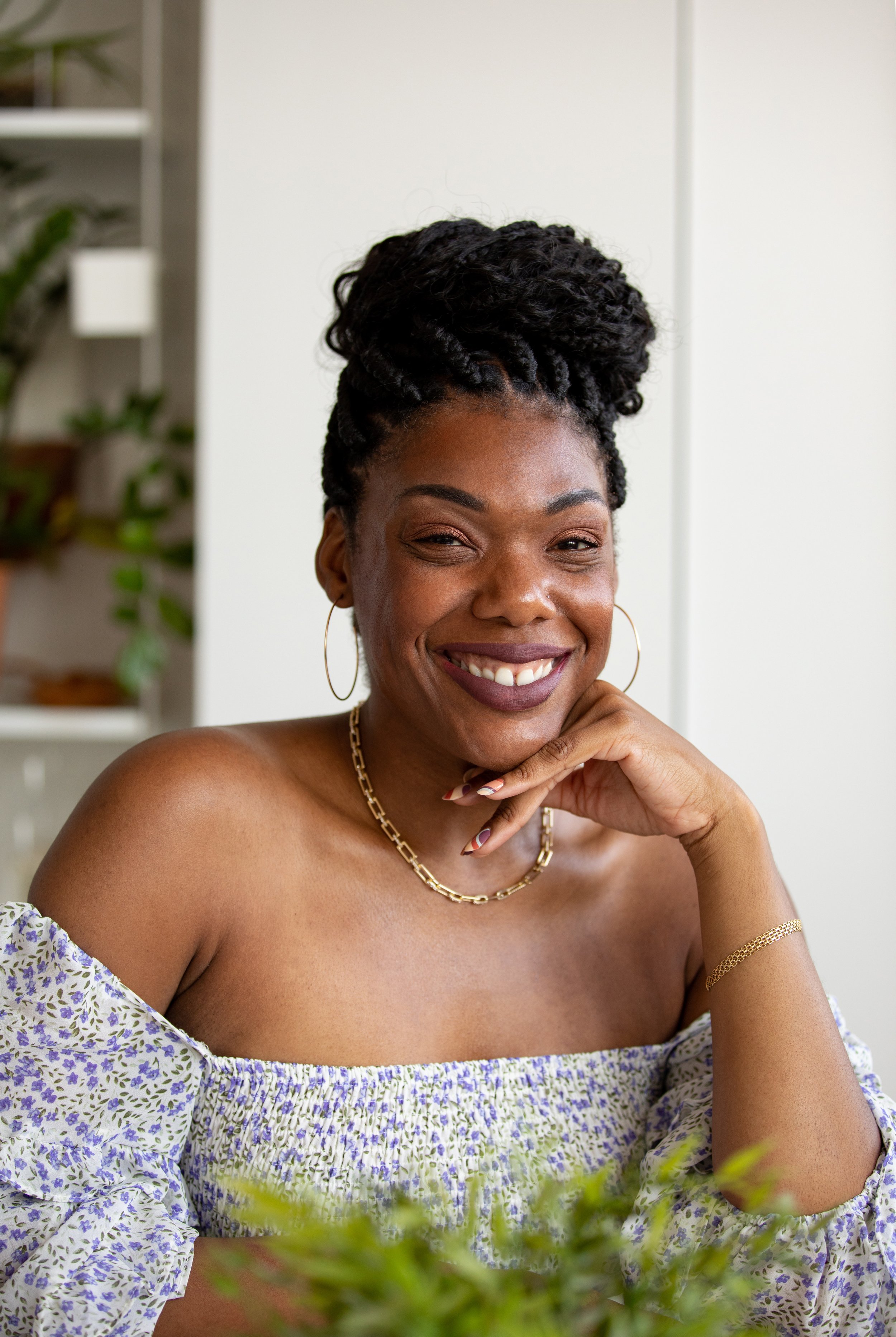
Hi! I’m Minaa B.
I’m a licensed therapist, author of "Owning Our Struggles," and creator of The Siblinghood Theory. As the youngest of 13 in a blended family system, I bring both professional expertise and lived experience to understanding the profound impact of sibling relationships on adult connections.
Whether you have biological siblings or are an only child who had to choose your siblings, I believe sibling relationships are reflected in all types of connections we form—be it platonic, romantic, or even in workplace dynamics. I developed this quiz to help guide you and gain a better understanding of yourself. The Siblinghood Theory is simply a new way to describe adult relationships.
Grab Your Worksheet
Learn to receive support, set boundaries, and recognize that people can love you without you having to earn it through caretaking.
Disclaimer: This information does not constitute a diagnosis. It serves as a resource for your relationships. If you have concerns about your mental health and the stability of your relationships, consider consulting a mental health professional in your area.
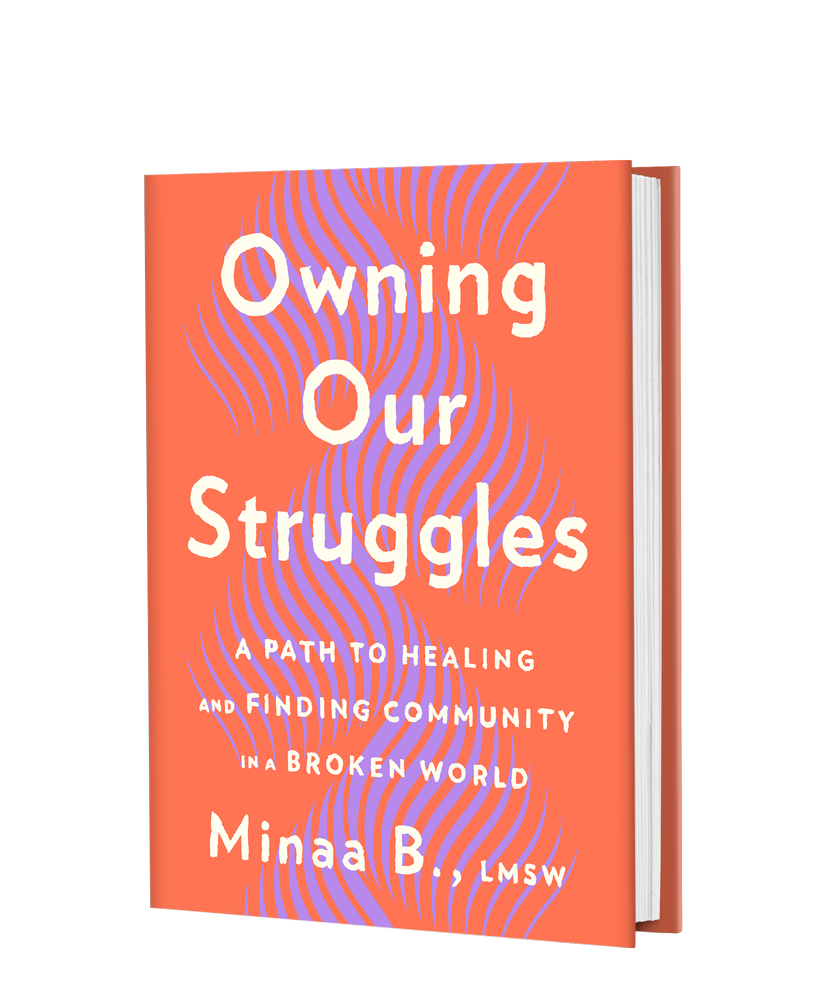
Owning Our Struggles: A Path to Healing and Finding Community in a Broken World
Adversity comes in many forms and can make us feel alone in our pain, even years after the fact. But as wellness coach and licensed therapist Minaa B. observes, we can’t heal in isolation. The best way to move past individual trauma is through connection and community—healing ourselves and one another.